Course Design By
Course Offered By
 GUIDE ME
Our Microsoft Azure Online Training is designed for students, freshers & working professionals who want to understand how cloud services work in real companies. Microsoft Azure Course begins with basics & then progressively moves on to the utilization of Azure services.

You can attend our demo session to understand how live classes are conducted before joining. The demo explains how topics are taught.

Manav Gupta
Placed at Genpact

Simran
Placed at Accolite Digital

Dev Patel
Placed at Adobe

Rahul Deshmukh
Placed at Amazon

Ishita
Placed at LTIMindtree

Nikhil Arora
Placed at KPMG

Megha Chatterjee
Placed at PwC

Riya
Placed at IBM

The Microsoft Azure Training is an online program that aims at teaching learners how to acquire skills on the utilization of Microsoft's popular cloud computing services. The topics covered in this course include fundamentals of Azure, virtual machines, storage, virtual network, active directory, identity and access management, security, resource groups, monitoring, backup, and governance. In this training, learners get an opportunity to learn about the deployment and management of cloud resources utilizing the Azure portal. It is also worth noting that the course highlights various models of cloud services including IaaS, PaaS, and SaaS along with Azure compute, network, database, and security services.
What You Get
Course Design & Approved By

Nasscom & Wipro
Microsoft Azure Online Training is taught step by step so learners can follow easily. Every topic is explained in simple terms with practical tasks. You will understand how companies use Azure services for daily operations.
Get a peek through the entire curriculum designed that ensures Placement Guidance
Course Design By


Course Offered By

Start your cloud career with Microsoft Azure Online Training. Join now and gain skills required by top companies.
Learn from a professional trainer with over 10 years of experience in cloud technologies.
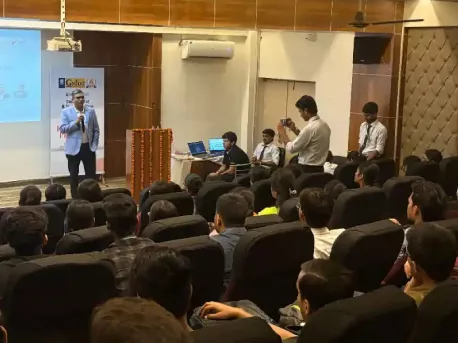
It is made up of premium cloud platforms for computing, storage, AI, DevOps, networking, and security-related services. Since it is one of the fastest-growing cloud-related skills in India, as well as in the rest of the world, Azure is going to be in demand across the board in the near future.
AZ-900, AZ-104, AZ-204, AZ-305, AZ-500, DP-203 etc.
That depends on the batch and speed of learning, but approximately 2 to 3 months.
Yes, the program covers resume support, interview preparation, and placement assistance.
Basic knowledge of IT is useful but not necessary.
This is a live online training; recordings are also available.
Yes, after the training is completed.
Economically priced; EMI options available.
It surely covers very advanced concepts right from its very fundamentals.
Yes, training will include hands-on labs with Azure Portal and real projects.
Microsoft Azure refers to the cloud computing services offered through platforms that provide computing services like databases, networking, security, storage, and analytics.
All students, IT professionals, system administrators, cloud engineers, developers, and other novices wishing to know more about cloud computing should enroll.
Coding skill is not required. Although Azure basic admin training does not need coding skill, it becomes handy later on.
There are mainly three kinds such as IaaS (Infrastructure as a Service), PaaS (Platform as a Service), and SaaS (Software as a Service).
It is nothing but a cloud server where a user can install either Linux or Windows Operating Systems.
Azure AD is Microsoft Azure's identity access management authentication and authorization platform known as the Azure Active Directory.
Resource Group is nothing but containers within subscriptions for organizing Azure resources.
Azure Storage is a cloud storage service that can store objects, files, backups, and data related to applications.
Azure VNet refers to a networking service designed to facilitate communication between different Azure resources and networks.
Azure App Service is a cloud service used for building, deploying, testing, debugging, managing, and hosting web apps.
Azure Monitor allows users to gain insight into performance, availability, monitoring, logging, and diagnostics of Azure resources.
While AZ-900 is the basic training course for Azure, AZ-104 offers more knowledge on advanced administration in Azure.
Azure provides RBAC, Key Vault, Identity Management, encryption, monitoring, and various other security features.
You could apply for Cloud Administrator, Azure Administrator, Cloud Support Engineer, Junior Cloud Engineer, or Infrastructure Support roles.
Absolutely. There will be hands-on Azure deployment, virtual machine, networking, storage, monitoring, and security projects in the course.

Azure Fundamentals.
Azure Virtual Machines and Virtual Networks.
Azure Storage.
Azure App Service Web Apps.
Application Insights.
Azure Logic Apps & Function Apps.
Azure Key Vault.
Azure Cosmo DB.
Azure Redis Cache.
Azure SQL.
Manage Azure identities and governance (15-20%)
Implement and Manage Storage (10-15%)
Deploy and Manage Azure Compute Resources (25-30%)
Configure and Manage Virtual Networking (30-35%)
Monitor and Back up Azure Resources (10-15%)
Placement Guide
Cloud Computing Basics
Why Cloud computing
What is Microsoft Azure’
Cloud terminologies
Fault Tolerance and Disaster Recovery
Describe the principles of economies of scale
Describe the consumption-based model
Describe Infrastructure-as-a-Service (IaaS),
Describe Platform-as-a-Service (PaaS)
Describe Software-as-a-Service (SaaS)
Describe Public cloud
Describe Private cloud
Describe Hybrid cloud
Compare and contrast the three different cloud models
Describe Azure Architecture
Describe Regions
Describe Availability Zones
Describe Resource Groups
Describe Azure Resource Manager
Azure Portal
Azure Virtual Machines
Azure Resource Manager VM
Introduction to ARM Templates
Create an Image from VM Snapshots
Create and configure a VM for Windows and Linux
Automate deployment of VMs
Manage Azure VM
Azure Virtual Networks
IP Addresses – Public & Private
Subnets
Network Interface Cards (NICs)
Network Security Groups (NSGs)
Azure Storage Replication
Azure Storage Explorer
Attach or Detach an External Storage Account
Shared Access Signatures (SAS)
Attach a Storage Account using SAS
Azure Blob Storage
Azure File Storage
Azure Queue Storage
Azure Table Storage
Create and configure storage accounts
Import and export data to Azure
Configure Azure files
Create an Azure App Service Web App
Create an Azure App Service background task by using Web Jobs
Enable diagnostics logging
Create an Azure Web App for Containers
Monitor service health by using Azure Monitor
create users and groups
manage user and group properties
manage device settings
perform bulk user updates
manage guest accounts
configure Azure AD Join
configure self-service password reset
NOTE: Azure AD Connect; PIM
create a custom role
provide access to Azure resources by assigning roles
subscriptions
resource groups
resources (VM, disk, etc.)
interpret access assignments
manage multiple directories
configure Azure policies
configure resource locks
apply tags
create and manage resource groups
move resources
remove RGs
manage subscriptions
configure Cost Management
configure management groups
configure network access to storage accounts
create and configure storage accounts
generate shared access signature
manage access keys
implement Azure storage replication
configure Azure AD Authentication for a storage account
export from Azure job
import into Azure job
install and use Azure Storage Explorer
copy data by using AZ Copy
create an Azure file share
create and configure Azure File Sync service
configure Azure blob storage
configure storage tiers for Azure blobs
configure high availability
deploy and configure scale sets
modify Azure Resource Manager (ARM) template
configure VHD template
deploy from template
save a deployment as an ARM template
automate configuration management by using custom script extensions
configure Azure Disk Encryption
move VMs from one resource group to another
manage VM sizes
add data discs
configure networking
redeploy VMs
create and configure Azure Kubernetes Service (AKS)
create and configure Azure Container Instances (ACI)
NOT: selecting a container solution architecture or product; container registry settings
create and configure App Service
create and configure App Service Plans
NOT: Azure Functions; Logic Apps; Event Grid
create and configure VNET peering
configure private and public IP addresses, network routes, network interface, subnets, and virtual network
configure Azure DNS
configure custom DNS settings
configure a private or public DNS zone
create security rules
associate an NSG to a subnet or network interface
evaluate effective security rules
deploy and configure Azure Firewall
deploy and configure Azure Bastion Service
NOT: Implement Application Security Groups; DDoS
configure Application Gateway
configure an internal load balancer
configure load balancing rules
configure a public load balancer
troubleshoot load balancing
NOT: Traffic Manager and Front Door and Private Link
monitor on-premises connectivity
use Network Performance Monitor
use Network Watcher
troubleshoot external networking
troubleshoot virtual network connectivity
create and configure Azure VPN Gateway
create and configure VPNs
configure ExpressRoute
configure Azure Virtual WAN
configure and interpret metrics
analyze metrics across subscriptions
configure Log Analytics
implement a Log Analytics workspace
configure diagnostic settings
query and analyze logs
create a query
save a query to the dashboard
interpret graphs
set up alerts and actions
create and test alerts
create action groups
view alerts in Azure Monitor
analyze alerts across subscriptions
configure Application Insights
NOT: Network monitoring
configure and review backup reports
perform backup and restore operations by using Azure Backup Service
create a Recovery Services Vault
use soft deletes to recover Azure VMs
create and configure backup policy
perform site-to-site recovery by using Azure Site Recovery
NOT: SQL or HANA
Develop Azure Compute Solution.
Develop for Azure storage.
Implement Azure security.
Monitor, troubleshoot, and optimize solutions.
Connect to and consume Azure and third-party services.
Validate your technical skills like storage, networking, compute, security, and other Cloud operations on Microsoft Azure.
Validate your development skills and showcase your expertize in building cloud solutions, apps, and services.
Top-paying info-tech certification in the world.
It provides you with global recognition for your knowledge, skills, and experience.
The organization looks for those who know Oracle Cloud, AWS, Azure, etc.
Introduction to Cloud Computing
Microsoft Azure Overview
Microsoft Azure Services
Azure Subscriptions
Azure Resource Groups
Organizing Azure Resources
What are Virtual Machines
Introduction to ARM Templates
What are batch Jobs and Azure Batch Services
What is Kubernetes
provision VMs configure VMs for remote access
create ARM templates
create container images for solutions by using Docker
publish an image to the Azure Container Registry
run containers by using Azure Container Instance
Azure Kubernetes Service (AKS) is out of scope
create an Azure App Service Web App
enable diagnostics logging
deploy code to a web app
configure web app settings including SSL, API, and connection strings
implement auto scaling rules, including scheduled auto scaling, and scaling by operational or system metrics
implement input and output bindings for a function
implement function triggers by using data operations, timers, and web-hooks
implement Azure Durable Functions
select the appropriate API for your solution
implement partitioning schemes
interact with data using the appropriate SDK
set the appropriate consistency level for operations
create Cosmos DB containers
implement scaling (partitions, containers)
implement server-side programming including stored procedures, triggers, and change feed notifications
move items in Blob storage between storage accounts or containers
set and retrieve properties and metadata
interact with data using the appropriate SDK
implement data archiving and retention
implement hot, cool, and archive storage
implement OAuth2 authentication
create and implement shared access signatures
register apps and use Azure Active Directory to authenticate users
control access to resources by using role-based access controls (RBAC)
secure app configuration data by using the App Configuration and KeyVault API
manage keys, secrets, and certificates by using the KeyVault API
implement Managed Identities for Azure resources
Recommend a logging solution
Recommend a solution for routing logs
Recommend a monitoring solution
Recommend an authentication solution
Recommend an identity management solution
Recommend a solution for authorizing access to Azure resources
Recommend a solution to manage secrets, certificates, and keys
Recommend a structure for management groups, subscriptions, and resource groups, and a strategy for resource tagging
Recommend a solution for managing compliance
Recommend a solution for identity governance
Recommend a solution for storing relational data
Recommend a database service tier and compute tier
Recommend a solution for database scalability
Recommend a solution for data protection
Recommend a solution for storing semi-structured data
Recommend a solution for storing unstructured data
Recommend a data storage solution to balance features, performance, and costs
Recommend a data solution for protection and durability
Recommend a solution for data integration
Recommend a solution for data analysis
Recommend a recovery solution for Azure and hybrid workloads that meets recovery objectives
Recommend a backup and recovery solution for compute
Recommend a backup and recovery solution for databases
Recommend a backup and recovery solution for unstructured data
Recommend a high availability solution for compute
Recommend a high availability solution for relational data
Recommend a high availability solution for semi-structured and unstructured data
Specify components of a compute solution based on workload requirements
Recommend a virtual machine-based solution
Recommend a container-based solution
Recommend a serverless-based solution
Recommend a compute solution for batch processing
Recommend a messaging architecture
Recommend an event-driven architecture
Recommend a solution for API integration
Recommend a caching solution for applications
Recommend an application configuration management solution
Recommend an automated deployment solution for applications
Evaluate a migration solution that leverages the Microsoft Cloud Adoption Framework for Azure
Evaluate on-premises servers, data, and applications for migration
Recommend a solution for migrating workloads to Infrastructure as a Service (IaaS) and Platform as a Service (PaaS)
Recommend a solution for migrating databases
Recommend a solution for migrating unstructured data
Recommend a connectivity solution that connects Azure resources to the internet
Recommend a connectivity solution that connects Azure resources to on-premises networks
Recommend a solution to optimize network performance
Recommend a solution to optimize network security
Recommend a load-balancing and routing solution
Introduction.
Develop an instrumentation strategy.
Develop a Site Reliability Engineering (SRE) strategy.
Develop a security and compliance plan (10-15%).
Manage source control.
Facilitate communication and collaboration.
Define and implement continuous integration.
Design a Package Management Strategy.
Implement & Maintain a build strategy.
Develop deployment scripts and templates.
Release Management Strategy.
Course Overview
Introduction to Cloud computing
Introduction to Azure
Self-hosting to cloud hosting
Azure Services
Azure Regions
Introduction to DevOps
Where did DevOps come from
What problems led to the creation of DevOps
How is DevOps different from Traditional IT
Why you need DevOps
DevOps Implementation Features
DevOps Lifecycle Phases and Measures
Workflow in DevOps
How DevOps Improved the Development and Operation Process
High Demand roles in DevOps
Future scope of DevOps
assess and Configure a log framework
design a log aggregation and storage strategy (e.g. Azure storage)
design a log aggregation using Azure Monitor
manage access control to logs (workspace-centric/resource-centric)
integrate crash analytics (App Center Crashes, Crashlytics)
design and implement distributed tracing
inspect application performance indicators
inspect infrastructure performance indicators
define and measure key metrics (CPU, memory, disk, network)
implement alerts on key metrics (email, SMS, webhooks, Teams/Slack)
integrate user analytics (e.g. Application Insights funnels, Visual Studio App Center, TestFlight, Google Analytics)
configure and integrate container monitoring (Azure Monitor, Prometheus,)
configure and integrate with monitoring tools (Azure Monitor Application Insights, Dynatrace, New Relic, Nagios, Zabbix)
create feedback loop from platform monitoring tools (e.g. Azure Diagnostics VM extensions, Azure Platform Logs, Event Grid)
manage Access control to the monitoring platform
identify and recommend metrics on which to base alerts
implement alerts using appropriate metrics
implement alerts based on appropriate log messages
implement alerts based on application health checks
analyze combinations of metrics
develop communication mechanism to notify users of degraded systems
implement alerts for self-healing activities (e.g. scaling, failovers)
analyze behavior of system with regards to load and failure conditions
calculate when a system will fail under various conditions
measure baseline metrics for system
recommend the appropriate tools for a failure prediction strategy
analyze system dependencies to determine which dependency should be included in
health check
calculate healthy response timeouts based on SLO for the service
design approach for partial health situations
integrate health check with compute environment
implement different types of health checks (liveness, startup, shutdown)
design an access solution (Azure AD Privileged Identity Management (PIM), Azure AD
Conditional Access, MFA)
organize the team using Azure AD groups
implement Service Principals and Managed Identity
configure service connections
evaluate and configure vault solution (Azure Key Vault, Hashicorp Vault)
generate security certificates
design a secrets storage and retrieval strategy
formulate a plan for deploying secret files as part of a release
automate dependencies scanning for security (container scanning, OWASP)
automate dependencies scanning for compliance (licenses: MIT, GPL)
assess and report risks
design a source code compliance solution (e.g. GitHub security, pipeline-based scans, Git hooks, SonarQube)
implement Azure policies to enforce organizational requirements
implement container scanning (e.g. static scanning, malware, crypto mining)
design and implement Azure Container Registry Tasks (Azure Policy)
design break-the-glass strategy for responding to security incidents
Overview.
Virtual Networks and Network Security.
Manage Identities.
Manage Access Control.
Implement advanced network security.
Configure advanced security for compute.
Manage security operations.
Secure data and applications.
Introduction to Cloud Computing
Overview of Microsoft Azure
Microsoft Azure Services
Azure Subscriptions
Management Groups
Azure Resource Manager
Azure Portal and PowerShell
Azure Resource Manager Policies
Azure Policy Definition Structure
Resource Management Locks
Organizing Azure Resources
Introduction
Azure Virtual Networks
IP Addresses – Public & Private
Classless Inter-domain Routing (CIDR)
Subnets
Network Interface Cards (NICs)
Network Security Groups (NSGs)
Network Security Group Rules
Virtual Network Service Endpoints
Service Endpoint Policies
Azure Load Balancer
Azure DNS
Plan and Design Azure Virtual Networks
add custom domains
Azure AD Join
configure self-service password reset
manage multiple directories
create users and groups
manage user and group properties
manage device settings
perform bulk user updates
manage guest accounts
install Azure AD Connect, including password hash and pass-through synchronization
use Azure AD Connect to configure federation with on-premises Active Directory Domain Services (AD DS)
manage Azure AD Connect
manage password sync and password writeback
configure user accounts for MFA
enable MFA by using bulk update
configure fraud alerts
configure bypass options
configure Trusted IPs
configure verification methods
monitor privileged access for Azure AD Privileged Identity Management (PIM)
configure Access Reviews
activate and configure PIM
configure Azure AD identity protection
create App Registration
configure App Registration permission scopes
manage App Registration permission consent
manage API access to Azure subscriptions and resources
configure subscription and resource permissions
configure resource group permissions
configure custom RBAC roles
identify the appropriate role
apply principle of least privilege
interpret permissions
check access
Provide Services (30-35%)
Implement Data Center Integration (15-20%)
Manage Identity and Access (10-15%)
Manage Infrastructure (30-35%)
Placement Guide
populate Azure Stack Hub Marketplace in a disconnected environment
create a custom Azure Stack Hub Marketplace item
manage lifecycle for Azure Stack Hub Marketplace items
plan an App Services resource provider deployment
deploy an App Services resource provider
update an App Services resource provider
scale roles based on capacity requirements
rotate App Services secrets and certificates
manage worker tiers
back up App Services
plan an Event Hubs resource provider deployment
deploy an Event Hubs resource provider
update an Event Hubs resource provider
rotate Event Hubs secrets and certificates
create and manage quotas
create and manage plans
create and manage offers
create and manage user subscriptions
change user subscription owner
set up usage data reporting
view and retrieve usage data by using the Usage API
manage usage and billing in multi-tenant and CSP scenarios
recommend a name resolution strategy
recommend a public and internal IP strategy
recommend a data center firewall integration strategy
recommend an identity provider
validate identity provider integration
configure the Time Server (NTP)
recommend a certificate strategy
validate the certificates
run secret rotation PowerShell cmdlet for external certificates
recommend a registration model
register in a connected environment
register in a disconnected environment
re-register
configure Azure Stack Hub home directory
register the guest tenant directory with Azure Stack Hub
disable multi-tenancy
update guest tenant directory
identify an appropriate method for access (service principal, users, groups)
provision a service principal for Azure Stack Hub
recommend a permission model
configure access in Azure Stack Hub
create a custom role
recommend a monitoring strategy
monitor system health by using the REST API
includes resource providers such as Event Hubs
monitor system health by using Syslog Server
manage field replacement or repair
configure automatic diagnostic log collection
collect diagnostic logs on demand by using Power shell
configure Syslog forwarding for Azure Stack Hub infrastructure
recommend a business continuity disaster recovery (BCDR) strategy
recommend a strategy for infrastructure backups
configure storage target for infrastructure backups
configure certificates for infrastructure backups
configure frequency and retention policy for infrastructure backups
plan for system capacity
manage partitioned GPUs
add nodes
manage storage capacity
add IP pools
update Azure Stack Hub
download and import update packages manually
update Azure AD Home Directory
connect to a privileged endpoint
configure the cloud admin user role
unlock a support session
close the session on the privileged endpoint
stop and start Azure Stack Hub
perform system diagnostics by using Test-Azure Stack
Describe Cloud Concepts.
Describe Core Azure Services.
Describe core solutions and management tools on Azure.
Describe general security and network security features.
Describe identity, governance, privacy, and compliance features.
Describe Azure cost management and Service Level Agreements.
Identify the benefits of cloud computing, such as High Availability, Scalability, Elasticity,
Agility, and Disaster Recovery
Identify the differences between Capital Expenditure (Cap Ex) and Operational
Expenditure (Op Ex)
Describe the consumption-based model
Describe the shared responsibility model
Describe Infrastructure-as-a-Service (IaaS),
Describe Platform-as-a-Service (PaaS)
Describe server less computing
Describe Software-as-a-Service (SaaS)
Identify a service type based on a use case
Define cloud computing
Describe Public cloud
Describe Private cloud
Describe Hybrid cloud
Compare and contrast the three types of cloud computing
Describe the benefits and usage of Regions and Region Pairs
Describe the benefits and usage of Availability Zones
Describe the benefits and usage of Resource Groups
Describe the benefits and usage of Subscriptions
Describe the benefits and usage of Management Groups
Describe the benefits and usage of Azure Resource Manager
Explain Azure resources
Describe the benefits and usage of Virtual Machines, Azure App Services, Azure
Container Instances (ACI), Azure Kubernetes Service (AKS), and Azure Virtual Desktop
Describe the benefits and usage of Virtual Networks, VPN Gateway, Virtual Network peering, and ExpressRoute
Describe the benefits and usage of Container (Blob) Storage, Disk Storage, File Storage, and storage tiers
Describe the benefits and usage of Cosmos DB, Azure SQL Database, Azure Database for MySQL, Azure Database for PostgreSQL, and SQL Managed Instance
Describe the benefits and usage of Azure Marketplace
Describe the benefits and usage of Internet of Things (IoT) Hub, IoT Central, and Azure Sphere
Describe the benefits and usage of Azure Synapse Analytics, HDInsight, and Azure Data bricks
Describe the benefits and usage of Azure Machine Learning, Cognitive Services and Azure Bot Service
Describe the benefits and usage of server less computing solutions that include Azure Functions and Logic Apps
Describe the benefits and usage of Azure DevOps, GitHub, GitHub Actions, and Azure Dev Test Labs
Describe the functionality and usage of the Azure Portal, Azure PowerShell, Azure CLI, Cloud Shell, and Azure Mobile App
Describe the functionality and usage of Azure Advisor
Describe the functionality and usage of Azure Resource Manager (ARM) templates
Describe the functionality and usage of Azure Monitor
Describe the functionality and usage of Azure Service Health
Describe basic features of Azure Security Center, including policy compliance, security alerts, secure score, and resource hygiene
Describe the functionality and usage of Key Vault
Describe the functionality and usage of Azure Sentinel
Describe the functionality and usage of Azure Dedicated Hosts
Describe the concept of defence in depth
Describe the functionality and usage of Network Security Groups (NSG)
Describe the functionality and usage of Azure Firewall
Describe the functionality and usage of Azure DDoS protection
Implement Data Storage Solutions (40-45%).
Manage and Develop Data Processing (25-30%).
Monitor and Optimize Data Solutions (30-35%).
Implement a solution that uses Cosmos DB, Data Lake Storage Gen2, or Blob storage
Implement data distribution and partitions
Implement a consistency model in Cosmos DB
Provision a non-relational data store
Provide access to data to meet security requirements
Implement for high availability, disaster recovery, and global distribution
Provide access to data to meet security requirements
Implement for high availability and disaster recovery
Implement data distribution and partitions for azure synapse analytics
Implement poly base
Implement data masking
Encrypt data at rest and in motion
Develop batch processing solutions by using Data Factory and Azure Databricks
Ingest data by using Poly Base
Implement the integration runtime for Data Factory
Create linked services and datasets
Create pipelines and activities
Create and schedule triggers
Implement Azure Databricks clusters, notebooks, jobs, and autoscaling
Ingest data into Azure Databricks
Configure input and output
Select the appropriate built-in functions
Implement event processing by using stream analytics
Monitor relational and non-relational data stores
Implement blob storage monitoring
Implement data lake storage gen2 monitoring
Implement azure synapse analytics monitoring
Implement cosmos DB monitoring
Configure azure monitor alerts
Implement auditing by using azure log analytics
Monitor Data Factory pipelines
Monitor Azure Databricks
Monitor Stream Analytics
Configure Azure Monitor alerts
Implement auditing by using Azure Log Analytics
Troubleshoot data partitioning bottlenecks
Optimize data lake storage gen2
Optimize stream analytics
Optimize azure synapse analytics
Manage the data lifecycle
Tips to clear an Interview
Common Interview questions and answers
DP-200 Interview Questions and Answers
Resume Building Guide
Attempt for DP-200 Global Certification Exam
Earn Credentials and Start applying for Jobs
Design Azure Data Storage Solutions.
Design Data Processing Solutions.
Design for Data Security and Compliance.
Choose the correct data storage solution to meet technical & business requirements
Choose the partition distribution type
Design data distribution and partitions
Design for scale (including multi-region, latency, and throughput)
Design a solution that uses cosmos DB, data lake storage gen2, or blob storage
Select the appropriate cosmos DB API
Design a disaster recovery strategy
Design for high availability
Design data distribution and partitions
Design for scale (including latency, and throughput)
Design a solution that uses azure synapse analytics
Design a disaster recovery strategy
Design for high availability
Design batch processing solutions that use Data Factory and Azure Databricks
Identify the optimal data ingestion method for a batch processing solution
Identify where processing should take place, such as at the source, at the destination, or in transit
Design for real-time processing by using Stream Analytics and Azure Databricks
Design and provision compute resources
Plan for secure endpoints (private/public)
Choose the appropriate authentication mechanism, such as access keys, shared access signatures (SAS), and azure active directory (azure ad)
Design data encryption for data at rest and in transit
Design for data auditing and data masking
Design for data privacy and data classification
Design a data retention policy
Plan an archiving strategy
Plan to purge data based on business requirements
Tips to clear an Interview
Common Interview questions and answers
DP-201 Interview Questions and Answers
Resume Building Guide
Attempt for DP-201 Global Certification Exam
Earn Credentials and Start applying for Jobs
Design and Implement Data Storage.
Design and Develop Data Processing.
Design and Implement Data Security.
Monitor and Optimize Data Storage and Data Processing.
Design an Azure Data Lake solution
Recommend file types for storage
Recommend file types for analytical queries
Design for efficient querying
Design for data pruning
Design a folder structure that represents the levels of data transformation
Design a distribution strategy
Design a partition strategy for files
Design a partition strategy for analytical workloads
Design a partition strategy for efficiency/performance
Design a partition strategy for Azure Synapse Analytics
Identify when partitioning is needed in Azure Data Lake Storage Gen2
Design star schemas
Design slowly changing dimensions
Design a dimensional hierarchy
Design a solution for temporal data
Design for incremental loading
Design analytical stores
Design meta stores in Azure Synapse Analytics and Azure Data bricks
Implement compression
Implement partitioning
Implement sharing
Implement different table geometries with Azure Synapse Analytics pools
Implement data redundancy
Implement distributions
Implement data archiving
Build a temporal data solution
Build a slowly changing dimension
Build a logical folder structure
Build external tables
Implement file and folder structures for efficient querying and data pruning
Deliver data in a relational star schema
Deliver data in Parquet files
Maintain metadata
Implement a dimensional hierarchy
Transform data by using Apache Spark
Transform data by using Transact-SQL
Transform data by using Data Factory
Transform data by using Azure Synapse Pipelines
Transform data by using Stream Analytics
Cleanse data
Split data
Shred JSON
Encode and decode data
Configure error handling for the transformation
Normalize and deformalize values
Transform data by using Scala
Perform data exploratory analysis
Develop batch processing solutions by using Data Factory, Data Lake, Spark, Azure
Synapse Pipelines, Polybasic, and Azure Data bricks
Create data pipelines
Design and implement incremental data loads
Design and develop slowly changing dimensions
Handle security and compliance requirements
Scale resources
Configure the batch size
Design and create tests for data pipelines
Integrate Jupyter/Python notebooks into a data pipeline
Handle duplicate data
Handle missing data
Handle late-arriving data
Upset data
Regress to a previous state
Design and configure exception handling
Configure batch retention
Design a batch processing solution
Debug Spark jobs by using the Spark UI
Develop a stream processing solution by using Stream Analytics, Azure Data bricks, and
Azure Event Hubs
Process data by using Spark structured streaming
Monitor for performance and functional regressions
Design and create windowed aggregates
Handle schema drift
Process time series data
Process across partitions
Process within one partition
Configure checkpoints/watermarking during processing
Scale resources
Design and create tests for data pipelines
Optimize pipelines for analytical or transactional purposes
Handle interruptions
Design and configure exception handling
Upset data
Replay archived stream data
Design a stream processing solution
Trigger batches
Handle failed batch loads
Validate batch loads
Manage data pipelines in Data Factory/Synapse Pipelines
Schedule data pipelines in Data Factory/Synapse Pipelines
Implement version control for pipeline artefacts
Manage Spark jobs in a pipeline
Design data encryption for data at rest and in transit
Design a data auditing strategy
Design a data masking strategy
Design for data privacy
Design a data retention policy
Design to purge data based on business requirements
Design Azure role-based access control (Azure RBAC) and POSIX-like Access Control List
(ACL) for Data Lake Storage Gen2
Design row-level and column-level security
Implement data masking
Encrypt data at rest and in motion
Implement row-level and column-level security
Implement Azure RBAC
Implement POSIX-like ACLs for Data Lake Storage Gen2
Implement a data retention policy
Implement a data auditing strategy
Manage identities, keys, and secrets across different data platform technologies
Implement secure endpoints (private and public)
Implement resource tokens in Azure Data bricks
Load a Data Frame with sensitive information
Write encrypted data to tables or Parquet files
Manage sensitive information
Implement logging used by Azure Monitor
Configure monitoring services
Measure performance of data movement
Monitor and update statistics about data across a system
Monitor data pipeline performance
Measure query performance
Monitor cluster performance
Understand custom logging options
Schedule and monitor pipeline tests
Interpret Azure Monitor metrics and logs
Interpret a Spark directed acyclic graph (DAG)
Compact small files
Rewrite user-defined functions (UDFs)
Handle skew in data
Handle data spill
Tune shuffle partitions
Find shuffling in a pipeline
Optimize resource management
Tune queries by using indexers
Tune queries by using cache
Optimize pipelines for analytical or transactional purposes
Optimize pipeline for descriptive versus analytical workloads
Troubleshoot a failed spark job
Troubleshoot a failed pipeline run
Plan and Implement Data Platform Resources (15-20%).
Implement a Secure Environment (15-20%).
Monitor and Optimize Operational Resources (15-20%).
Optimize Query Performance (5-10%).
Perform Automation of Tasks (10-15%).
Plan and Implement a High Availability and Disaster Recovery (HADR) Environment (15-20%).
Perform Administration by Using T-SQL (10-15%).
deploy database offerings on selected platforms
configure customized deployment templates
apply patches and updates for hybrid and IaaS deployment
evaluate requirements for the deployment
evaluate the functional benefits/impact of possible database offerings
evaluate the scalability of the possible database offering
evaluate the HA/DR of the possible database offering
evaluate the security aspects of the possible database offering
configure Azure SQL database/elastic pools for scale and performance
configure Azure SQL managed instances for scale and performance
configure SQL Server in Azure VMs for scale and performance
calculate resource requirements
evaluate database partitioning techniques, such as database sharding
set up SQL Data Sync
evaluate requirements for the migration
evaluate offline or online migration strategies
evaluate requirements for the upgrade
evaluate offline or online upgrade strategies
implement an online migration strategy
implement an offline migration strategy
implement an online upgrade strategy
implement an offline upgrade strategy
configure Azure AD authentication
create users from Azure AD identities
configure security principals
configure database and object-level permissions using graphical tools
apply principle of least privilege for all securables
implement Transparent Data Encryption (TDE)
implement object-level encryption
implement Dynamic Data Masking
implement Azure Key Vault and disk encryption for Azure VMs
configure server and database-level firewall rules
implement Always Encrypted
apply a data classification strategy
configure server and database audits
implement data change tracking
perform a vulnerability assessment
prepare an operational performance baseline
determine sources for performance metrics
interpret performance metrics
configure and monitor activity and performance at the infrastructure, server, service, and database levels
implement index maintenance tasks
implement statistics maintenance tasks
configure database auto-tuning
automate database maintenance tasks
manage storage capacity
configure Query Store to collect performance data
identify sessions that cause blocking
assess growth/fragmentation of databases and logs
assess performance-related database configuration parameters
configure storage and infrastructure resources
configure server and service account settings for performance
configure Resource Governor for performance
implement database-scoped configuration
configure compute resources for scaling
configure Intelligent Query Processing (IQP)
determine the appropriate type of execution plan
identify problem areas in execution plans
extract query plans from the Query Store
determine the appropriate Dynamic Management Views (DMVs) to gather query performance information
identify performance issues using DMVs
identify and implement index changes for queries
recommend query construct modifications based on resource usage
assess the use of hints for query performance
identify data quality issues with duplication of data
identify normal form of database tables
assess index design for performance
validate data types defined for columns
recommend table and index storage including file groups
evaluate table partitioning strategy
evaluate the use of compression for tables and indexes
we train you to get hired.

Phone (For Voice Call):
+91-828 706 0032WhatsApp (For Call & Chat):
+91-828 706 0032
Scenario: Supporting business dashboards
Outcome: Dashboards always showed correct.

Scenario: Organizing and managing Azure resources
Outcome: Resources were used properly and costs.

Scenario: Checking system health.
Outcome: Problems were identified.

Scenario: Keeping data safe with backups
Outcome: Data could be restored easily when needed.

Scenario: Managing user access and safety
Outcome: Cloud systems were secure and well managed.

Scenario: Connecting systems using Azure network
Outcome: Network connections worked properly.

Scenario: Storing and managing data in Azure
Outcome: Data was stored safely and was easy to manage.

Scenario: Setting up and using virtual machines
Outcome: Virtual machines were ready and running.
Company: Microsoft
Location: Pune
Experience: 1–2 Years
Required Skills: Azure Fundamentals, Cloud Support, Problem Solving
Company: Talent Worx
Location: Pune, Maharashtra, India
Experience: 3+ Years
Required Skills: Azure VMs, Storage, Networking, App Services, ARM/Terraform.
Company: Johnson Controls
Location: Pune, Maharashtra, India
Experience: 2–5 Years
Required Skills: PowerShell, Azure Automation, Logic Apps, Azure Functions.
Explore industry-focused cloud and data courses designed to boost your career.
Gain expertise in Azure security management, identity protection, threat monitoring, and compliance solutions.
Understand Azure data concepts, relational and non-relational databases, and core cloud data services.
Learn Azure data integration, ETL pipelines, data storage, and analytics solutions with real-world project.
Master Microsoft Azure fundamentals, cloud services, security, and deployment skills with certification training.
Explore Azure-related courses covering Cloud, Security & Cloud Administration.
Learn Salesforce CRM, automation, administration, reporting, and app development with projects.
Gain hands-on AWS skills in EC2, S3, Lambda, VPC, security, and cloud architecture design.
Master cloud computing concepts, virtualization, networking, security, and deployment strategies.

Learn Google Cloud services, deployment, networking, security, and cloud infrastructure management.
For Voice Call
+91-971 152 6942For Whatsapp Call & Chat
+91-9711526942Share some of your details and we will be in touch with you for demo details, and know about Batches Available with us!


 +91-828 706 0032
 +1 (782) 819-0044





 Interested in Course?



.webp)
.webp)

.png)


